Showing posts with label headaches. Show all posts

Thursday, April 28, 2022

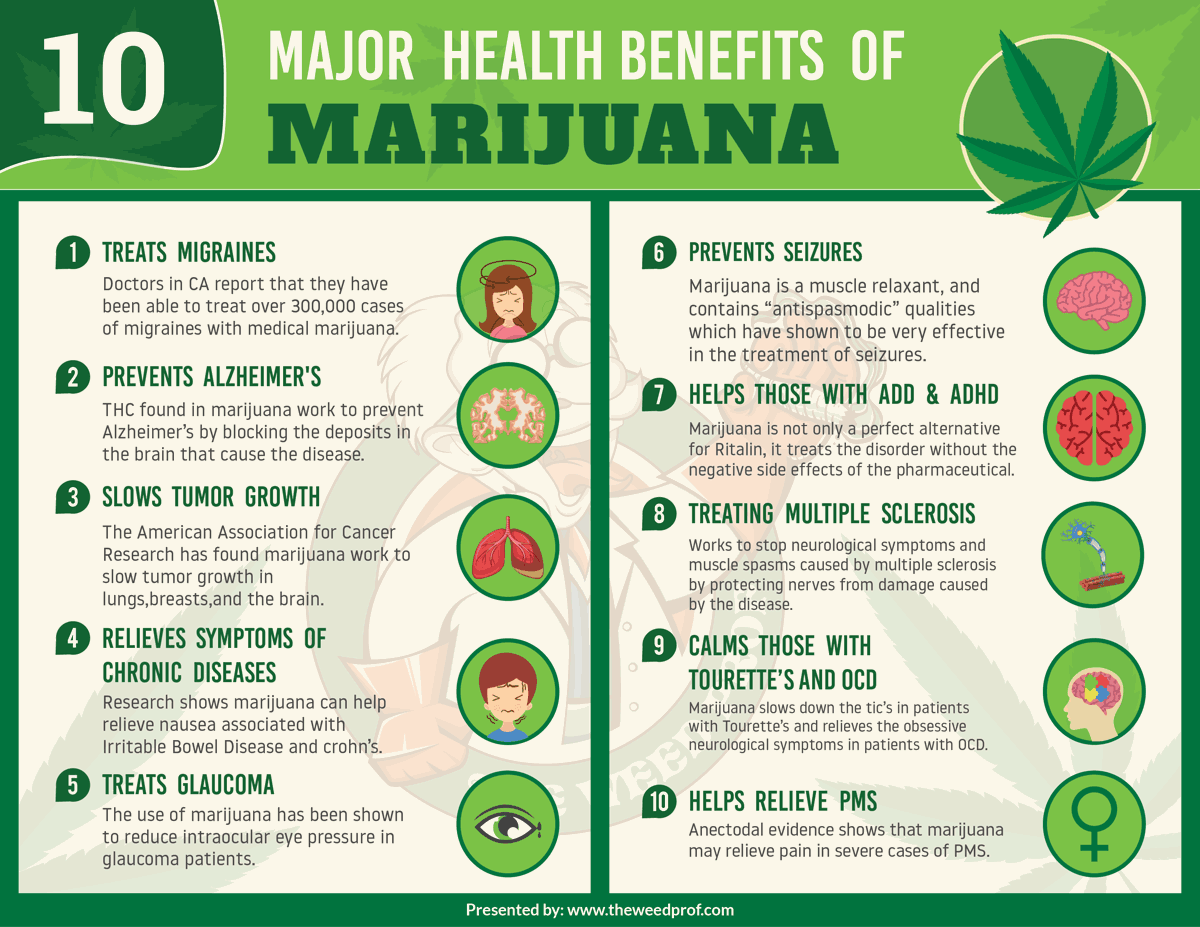
Cannabis Helps Reduce Severity Of Migraines And Headaches


According to a study, self-reported headache severity was reduced by 47.3% and migraine severity was reduced by 49.6% with cannabis that was inhaled. This is the first study to make use of a large amount of data from migraine and headache patients making use of cannabis in real time.[1] Prior research has used data from the recollection of patients’ past cannabis use. There has been one clinical trial which indicated that cannabis was superior to ibuprofen for alleviating headache, but a synthetic cannabinoid drug called nabilone was used. Although a substantial number of people report using cannabis for migraine and headache, surprisingly little research has addressed the topic.


Archived data from the Strainprint app was analysed, an app which allows the tracking of symptoms before and after patients have used medical cannabis. Over 1,300 patients submitted information who had made use of the app more than 12,200 times for tracking headache changes from before to after using cannabis, as well as another 653 patients who had made use of the app more than 7,400 times for tracking changes of the severity of migraine.

The researchers made use of an ecologically valid approach by looking at actual patients medicating in their own environments making use of whole plant cannabis. Because of the large amount of data, the researchers could more accurately and appropriately generalize to the greater population of patients making use of cannabis for managing these conditions.

No evidence was seen of cannabis causing “overuse headache,” a side effect of conventional treatments that can make headaches worse over time. Patients did however use larger doses of cannabis over time, which indicates they could be developing a tolerance to the cannabis.

A small but significant gender difference was found with men reporting 90.0% more sessions that involved headache reduction compared to 89.1% reported by women. It was also noted that making use of cannabis concentrates, such as cannabis oil, resulted in a larger reduction in the severity rating of headaches than making use of cannabis flower.

No significant difference in the reduction of pain was found between strains of cannabis that were lower or higher in cannabidiol (CBD) levels and tetrahydrocannabinol (THC) levels, the two most commonly researched cannabis chemical constituents, also known as cannabinoids. Because cannabis consists of more than 100 cannabinoids, the result suggests that different cannabinoids or other constituents like terpenes could be playing a central role in the relief of migraine and headache.

The limitations of the Strainprint study were that it relied on a self-selected group of individuals who may have already anticipated that cannabis will alleviate symptoms, and it wasn’t possible to implement a placebo control group.

Acknowledgement: https://www.shape-able.com/
Cannabis Helps Reduce Severity Of Migraines And Headaches

Image via: ShapeAble

Monday, May 15, 2017

Why Massage Therapy is Good for You!


With modern life getting more and more hectic and subsequently stressful, massage therapy is gaining popularity as one of the ways to counter this stress.

Massage therapy has a range of both physical and emotional benefits.

The physical benefits

Massage therapy reduces muscular tension, aches and pains.

Both blood and lymphatic circulation can be improved by massage therapy. Blood circulation brings fresh blood to our cells and tissues, feeding them with nutrients and oxygen, while lymphatic circulation removes impurities and excess carbon dioxide from bodily organs. In this way the body is strengthened and the immune system is given a boost.

Our muscle fibers become twisted and knotted as a result of daily use, especially for those people in office jobs that provide limited movement or scope for stretching. Massage therapy will stretch out these tight muscles, ensuring optimum muscular function and range of movement. In addition scar tissue and muscle knots that have built up over time in the muscle fibers can be broken down, reducing pain and tension and helping to prevent injury.

Massage therapy can address tension headaches and even eye tension and strain caused by tension in the muscles in the head and spending more and more time on computers.


Massage therapy also has a range of emotional and psychological benefits. Massage therapy improves a person’s sense of general well being and promotes relaxation as it relieves stress, tension and anxiety. This results in easing insomnia and depression. The end result is that it energizes and stimulates both body and mind.

Health Tip:The Joy of almonds 
Almonds have as much protein per ounce as red meat. Adding almonds into your diet has shown to help reduce the risk of heart attacks by as much as 50%. This result is due to the good-for-your-heart vitamin E found in almonds. Monounsaturated fats can decrease your bad LDL cholesterol levels and increase your good HDL cholesterol levels. Antioxidants help keep your arteries young.

Sunday, August 26, 2012

What Women Should Know About Eyestrain


One complaint that we all suffer from occasionally is eyestrain. What causes it and what can you do?
At one time or another, most of us suffer from some form of eyestrain. Our eyes may become red-rimmed and irritated, they may feel tired after close or prolonged work; or strong light may feel too harsh for them. If the strain continues, persistent headaches may develop. In most instances, eyestrain corrects itself, but it is irritating and unnecessary, and can often be easily avoided.

Eye defects

The most common cause of eyestrain is defect, which can be remedied by wearing glasses. If you are long-sighted, short- sighted or suffer from astigmatism, your eyes may become strained by trying to compensate. Another defect is presbyopia, the loss of the ability to use the near-focusing eye muscles; this happens to all of us as a natural consequence of ageing. 

Nothing can be done to prevent the defects themselves, since they are a combination of heredity and the natural growth and development of the eye. Nor can glasses of contact lenses actually cure these conditions. Their function is to compensate for the defects, restoring normal vision and alleviating eyestrain. 

Since eye defects can develop at any time of life, but particularly as you approach middle age, it is worth going for regular check-ups father than waiting until trouble starts. Many opticians recommend the first check-up at three years of age; another at six and thereafter one every two or three years, until you reach your forties, after which a yearly check-up is advisable. If you wear corrective lenses, you should visit the optician about once every 18 month.

Eye Exercises That Work!

Corrective Lenses 

Once a day glasses should be cleaned with a clean, soft cloth or lens-cleaning paper, the lenses should first be moistened to prevent scratching, either with special cleaning fluid of ordinary tap water. Always keep your glasses in a case when not in use, and never place them lens-down on a surface. If the lenses become scratched, have them replaced immediately. 

Contact lenses are particularly vulnerable to scratching and chipping, and should be checked regularly by our optician for flaws you may not notice yourself, but which will irritate your eyes. Avoid putting the lenses on a hard surface, and handle them only with the pads of your fingers – not that nails. Always use the cleaning fluid recommended for your type of lens; in emergency use plain water. 

Light as a Factor

You can temporarily strain your eyes through bad lighting or over-exposure to harsh light. The correct set-up for reading or other close work is with the light source located behind you, and directed towards the page. Avoid over long periods of close work or watching television; if you feel your eyes getting tired, take a break for a few minutes. 

In general, the eyes are able to adapt to most types of light, but over-long exposure to harsh sunlight can result in strain and headaches. People unused to strong light or those who have to drive long distances in bright light often find it helpful to wear tinted glasses. Be sure before you buy any sunglasses that they provide sufficient protection against glare.  Cheaper sunglasses will not harm your eyes, but the more expensive photo chromatic type that alter shade depending on the sun’s intensity are good value because they are likely to be sturdier and their lenses will create less distortion. If you already have corrective lenses, you can simply fit tinted clip-ons over your normal frames. 

There is no harm in wearing tinted lenses indoors, and some people who spend long periods under intense fluorescent or studio lighting find that wearing tinted glasses can reduce eyestrain. The colour of the tint is entirely a question of personal taste. 

Protective lenses should, however, always be worn when there is a risk of exposure to high levels of ultra-violet light. When reflected from snow, it can lead to ‘snow-blindness’, so it is wise always to wear goggles when skiing.

Ultra-violet sun lamps, too, can burn the cornea badly, and should never be used without the goggles provided with the equipment. If eyestrain symptoms are persistent, and a visit to the optician fails to locate the cause, you should see your doctor. Tension, lack of sleep, poor diet and other health problems can all contribute to eye fatigue, and it may be an indication of a more general problem that needs medical attention.

Recommended For women!